
DOH-Escambia Urges Residents to Prepare Ahead of Hurricane Isaias
Share:
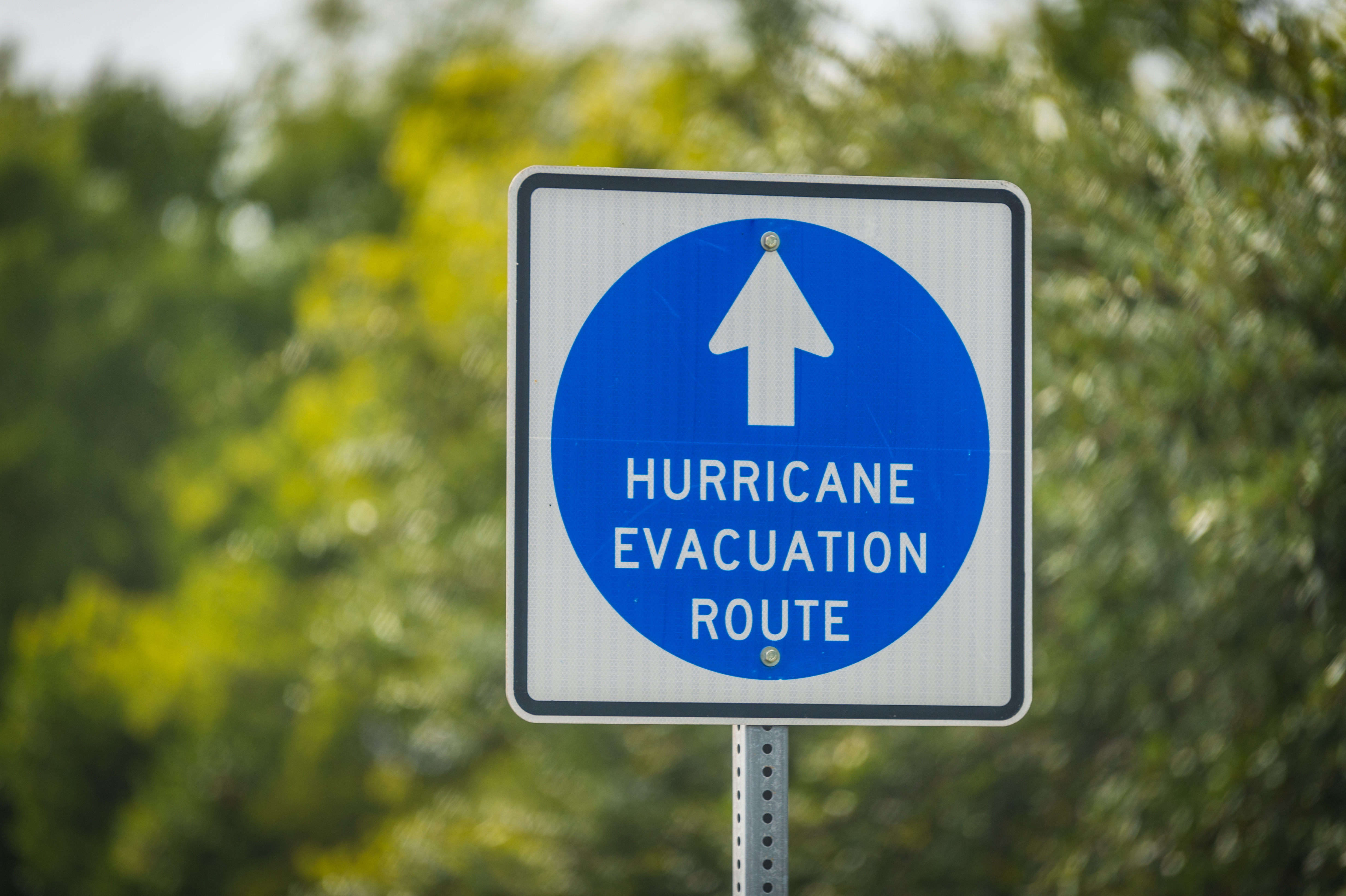
Pensacola, Fla. — The Florida Department of Health in Escambia County (DOH-Escambia) urges residents to prepare now ahead Hurricane Isaias’ landfall. A good rule of thumb is to be “week ready,” meaning you should have enough emergency supplies on hand to be self-sufficient for at least one week.
Deciding to Evacuate
When deciding to evacuate or stay in your home, consider:
Is your home in an evacuation zone?
Enter your address into the Escambia County Emergency Management’s Know Your Evacuation Zone tool to determine if you are in an evacuation zone and if any evacuations have been ordered.
Is your home safe?
If you live in a mobile home, or your home needs extensive repairs, it might be a good idea to move to a building that is more structurally sound, even if you are not in an evacuation zone.
Where will you go if you evacuate?
Can you stay with a friend or in a motel? Will you need to go to a shelter? A shelter should be your last resort. Although shelters are safe, they are frequently uncomfortable, noisy, and there may be little privacy. Household members with special medical needs may be eligible for the Special Needs Shelter Program.
Assemble a disaster kit
Whether you stay or go, ensure you have a disaster kit that includes such items as:
- Non-perishable food
- Can opener
- Water – one gallon per person, per day (don’t forget to include food and water for pets)
- First aid kit
- Weather Radio
- Flashlight
- Batteries
- Cash
- Paper cups, plates, and plastic utensils
- Blankets and pillows (or sleeping bags)
- Change of clothes appropriate to the climate
- Sturdy shoes
- Rain poncho
- Personal hygiene items
- Books and games
- Cell phone and portable charger
- Enough essential medications to last seven days
- Important papers in a watertight container
- Insect repellent
- Sunscreen
- Bleach or some other disinfectant
If your household includes an infant or older adult, you will also want to include any special items they will need, such as baby formula, baby wipes, or adult incontinence supplies.
Additional Precautions
Fill your vehicle’s gas tank. If you have a generator, fill gas cans and store them safely.
Remember to take precautions to avoid carbon monoxide exposure or other accidents when using your generator:
- Follow the manufacturer’s instructions for safe operation.
- Do not operate the generator in the house or garage.
- Install a battery-operated carbon monoxide detector in your home.
- Keep children and pets away from the generator. Generators can become hot quickly.